
NORTH-EAST, INTRODUCES SMART AGRICULTURE AND FAMILY COHESION PROGRAMMES
By Globaltimes Reporter
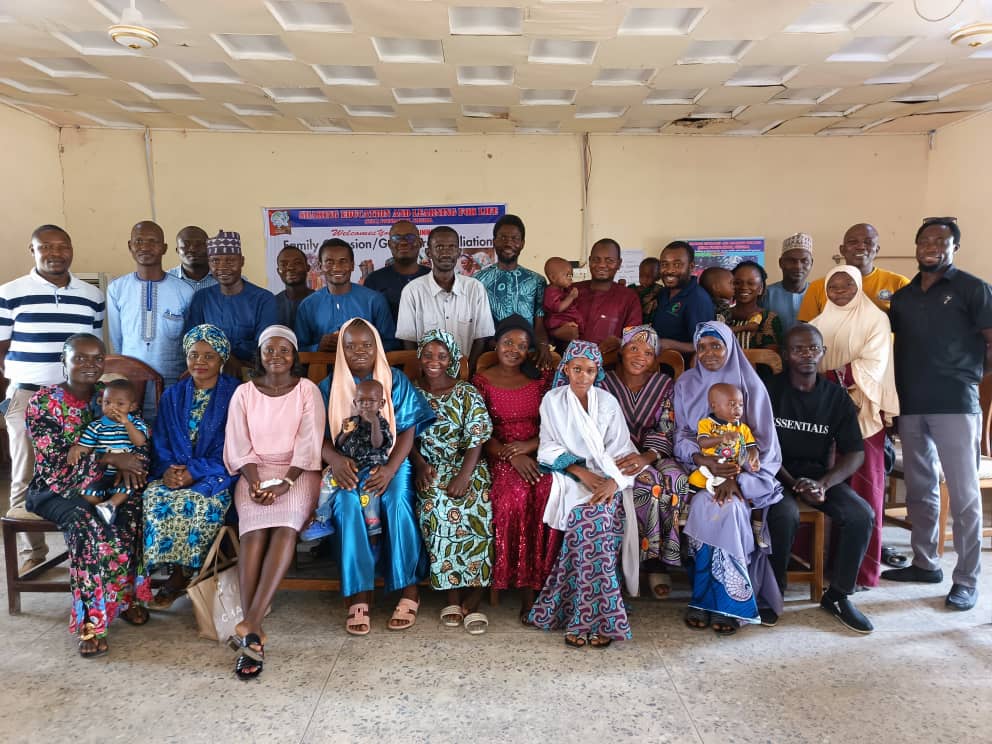
The Project Manager of the Sharing Education and Learning for Life (SELL) Foundation, Mr. Benjamin Jibbe, has disclosed that the organisation has trained more than 20,000 people across Taraba State, the wider North-East, and Plateau State in the last decade of its operations.
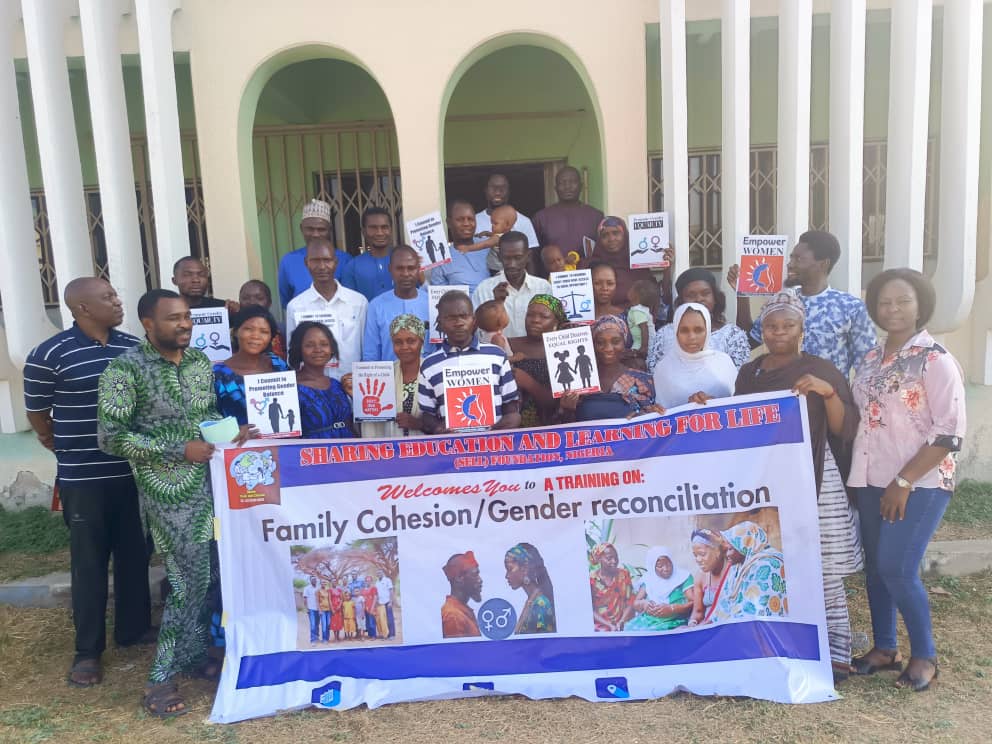
Jibbe, who spoke during an exclusive interaction, said SELL Foundation — widely known for its grassroots peace-building work — has expanded its programming to include smart agriculture and family-cohesion interventions, following years of engagement with rural communities.
According to Jibbe, SELL Foundation originally focused on leadership formation, peace education, and community development. But its work with communities revealed a deeper need: “Peace is not achieved only by mediating conflict; it is sustained when people are economically stable and socially grounded,” he said.
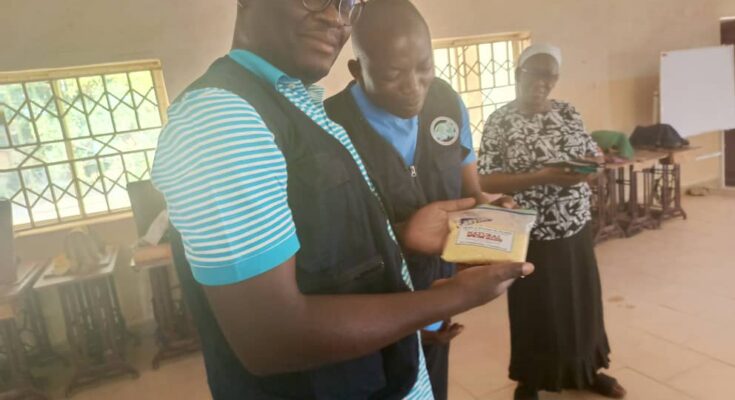
Recognising that most communities in Taraba and across the zone are agrarian, the Foundation introduced smart agriculture training to help farmers adopt modern and sustainable methods.
Last year, SELL trained farmers across the North-East and Plateau on improved farming techniques. But a post-training review uncovered a major barrier: many farmers lacked access to certified, high-quality seeds.
Drawing from his own experience as a farmer, Jibbe said:
“I realised that the success or failure of a farm starts with the seed. Using uncertified or reused grains affects everything.”
To address this, SELL launched the Community Seed Entrepreneur Initiative, aimed at ensuring every farmer can access certified seeds in their locality. The long-term plan is to raise a new crop of community-based certified seed producers.
He recounted a telling example shared by a community leader: a farmer who earned ₦19 million in one season but lacked financial management skills, leaving him unable to prepare for the following season.
“It showed us that empowerment is incomplete without teaching sustainability,” Jibbe added.
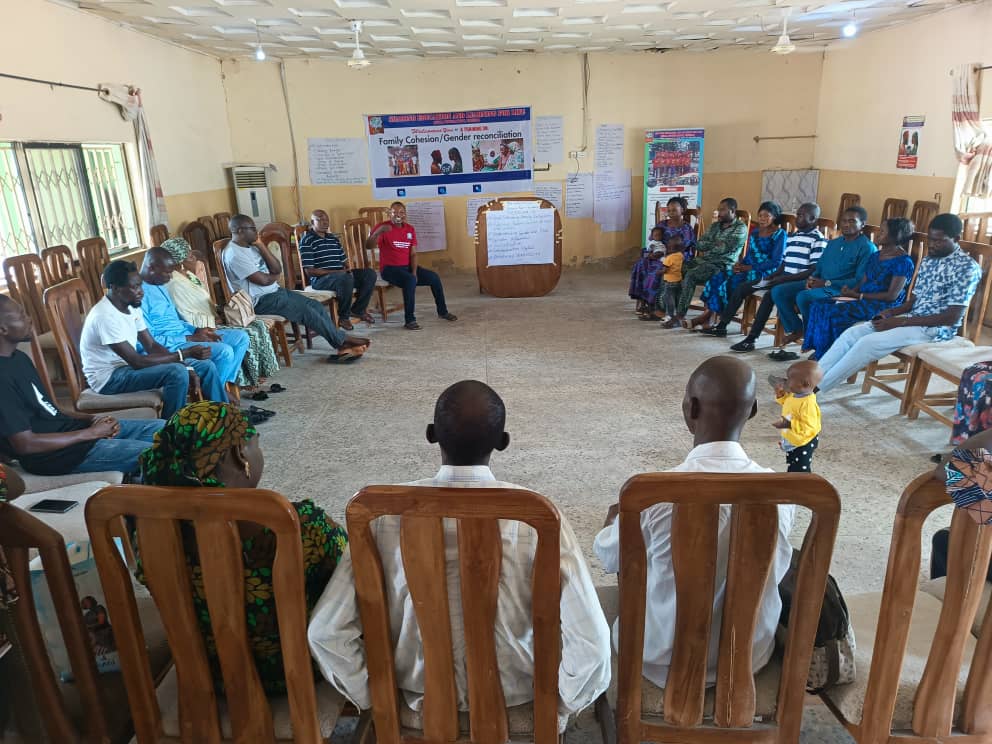
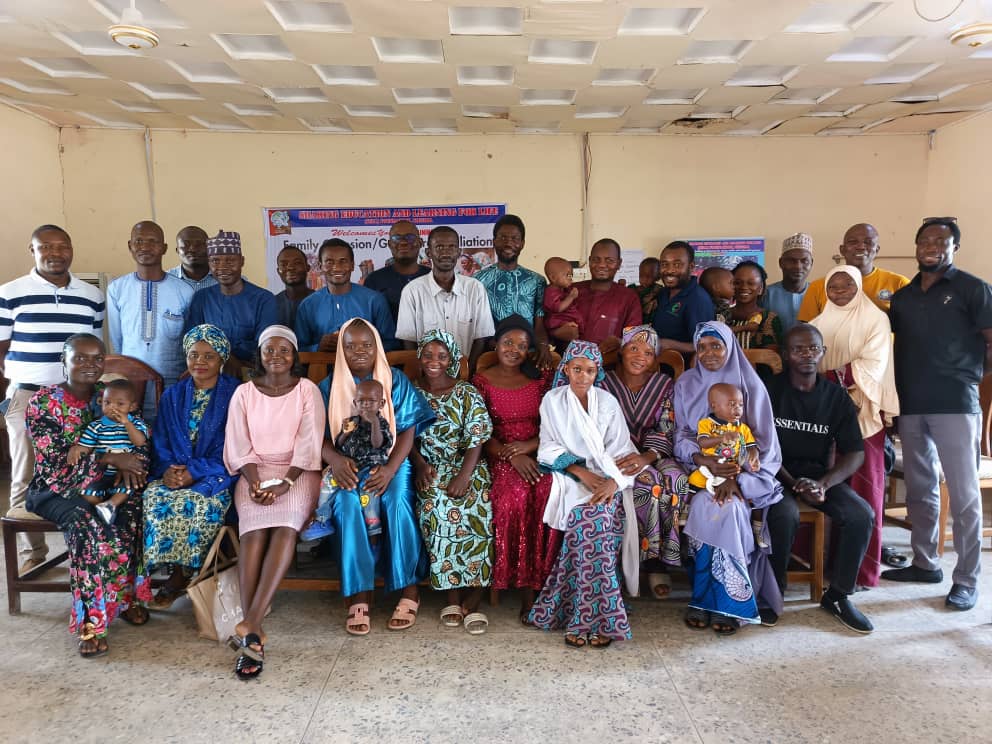
Beyond agriculture, SELL Foundation is deepening its focus on family cohesion, recognising the family as the nucleus of a peaceful society.
The family-development component trains participants on Parenting and child upbringing, conflict resolution within the home, relationship strengthening for husbands and wives, financial management at the household level, self-care and emotional balance
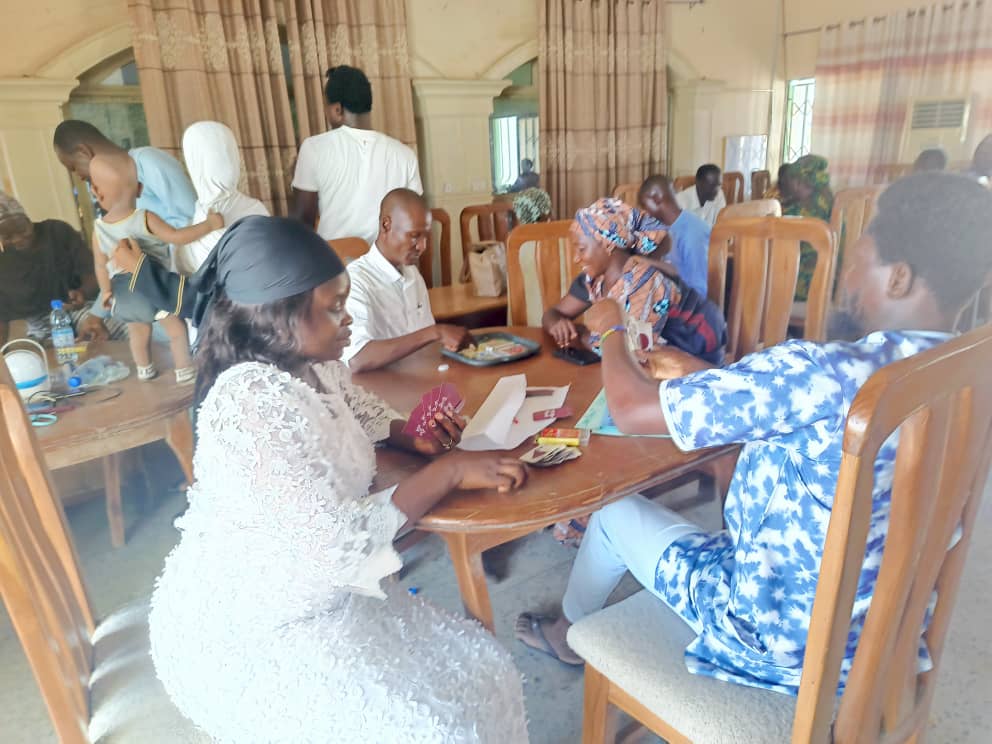
Jibbe explained that “If the family unit is stable, harmonious, and disciplined, a large percentage of conflicts in the community will naturally reduce.”
SELL works through a network of community volunteers who help identify credible participants in each community. The Foundation also maintains partnerships with the Christian Association of Nigeria (CAN) and JDPC structures, enabling them to gather post-training feedback and track behavioural, economic, and social impact.
The Foundation’s approach aligns with national and global efforts promoting climate-smart agriculture, community-based seed multiplication, and peacebuilding. Similar interventions by development bodies have demonstrated that improved seed systems and rural household stability significantly enhance productivity and reduce communal stress.
SELL’s integrated model — combining peacebuilding, agriculture, and family strengthening — stands out as one of the few community-rooted initiatives in the region addressing human development holistically.
With its Community Seed Entrepreneur programme and family-cohesion training gaining traction, SELL Foundation hopes to see not only increased agricultural productivity but also more stable homes and more peaceful communities across the North-East.